
Most patients should wait until their weight has stayed stable for several months and they are close to their goal weight before having a body lift. A common guideline is about six months of steady weight after diet and exercise, and often 12 to 18 months after bariatric surgery. Dr. Francisco Sanchez-Navarro, MD, a plastic surgeon, advises patients who are losing weight with medications such as Ozempic to be within 10 to 20 pounds of their ideal weight before surgery. This guide explains why that timing matters and how to know when you are ready.
A body lift is designed for patients who have lost a large amount of weight. It removes the extra tissue that sags once the weight is gone, so your shape reflects the work you put into losing it.
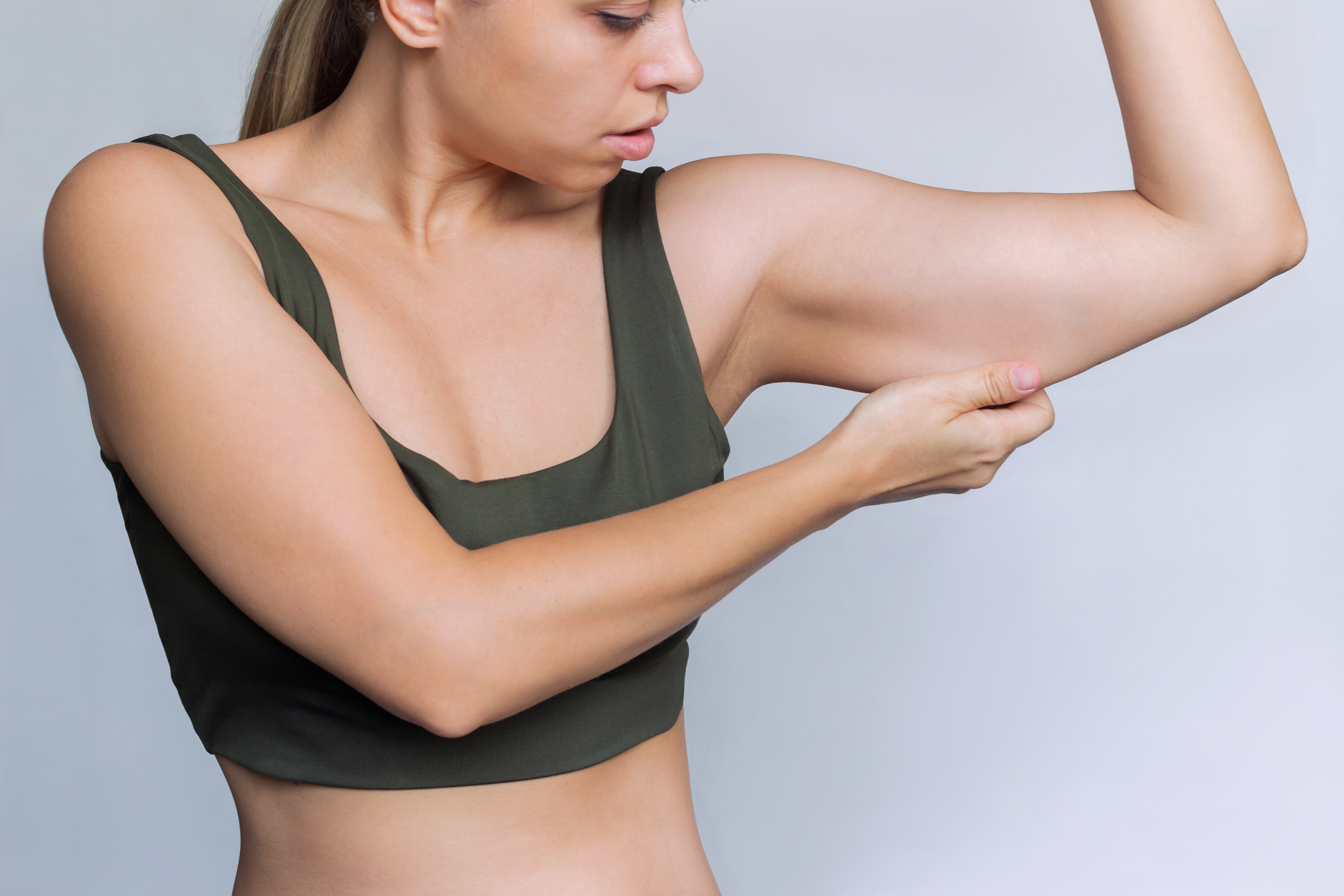
Timing shapes how long those results last. If you have surgery while you are still losing weight, more loose skin can form after the procedure. If you regain weight, the skin can stretch again. Either way, the contour you wanted may change.
Waiting until your body has settled gives Dr. Francisco Sanchez-Navarro, MD a clear picture of how much skin needs to be removed and where. That leads to a plan built around the body you will actually live in.
Weight stabilization means your weight stays within a narrow range over time. It does not move up and down by large amounts from month to month.
Stable weight matters for a few reasons:
Accurate planning. Dr. Francisco Sanchez-Navarro, MD measures the loose skin and tissue you have now. If your weight keeps changing, those measurements will not hold.
Lasting results. A body lift tightens skin around your current shape. Keeping your weight steady after surgery helps that shape last.
Better recovery. Patients who have kept a steady routine of eating and activity for months tend to have the habits that support healing.
A good sign you are stable is that your weight has stayed about the same for at least several months without strict dieting. You should feel confident you can maintain it.
If you are asking, “How Long Should You Wait After Weight Loss for a Body Lift?”, the honest answer depends on how you lost the weight and where you are now. Still, a few markers apply to most patients.
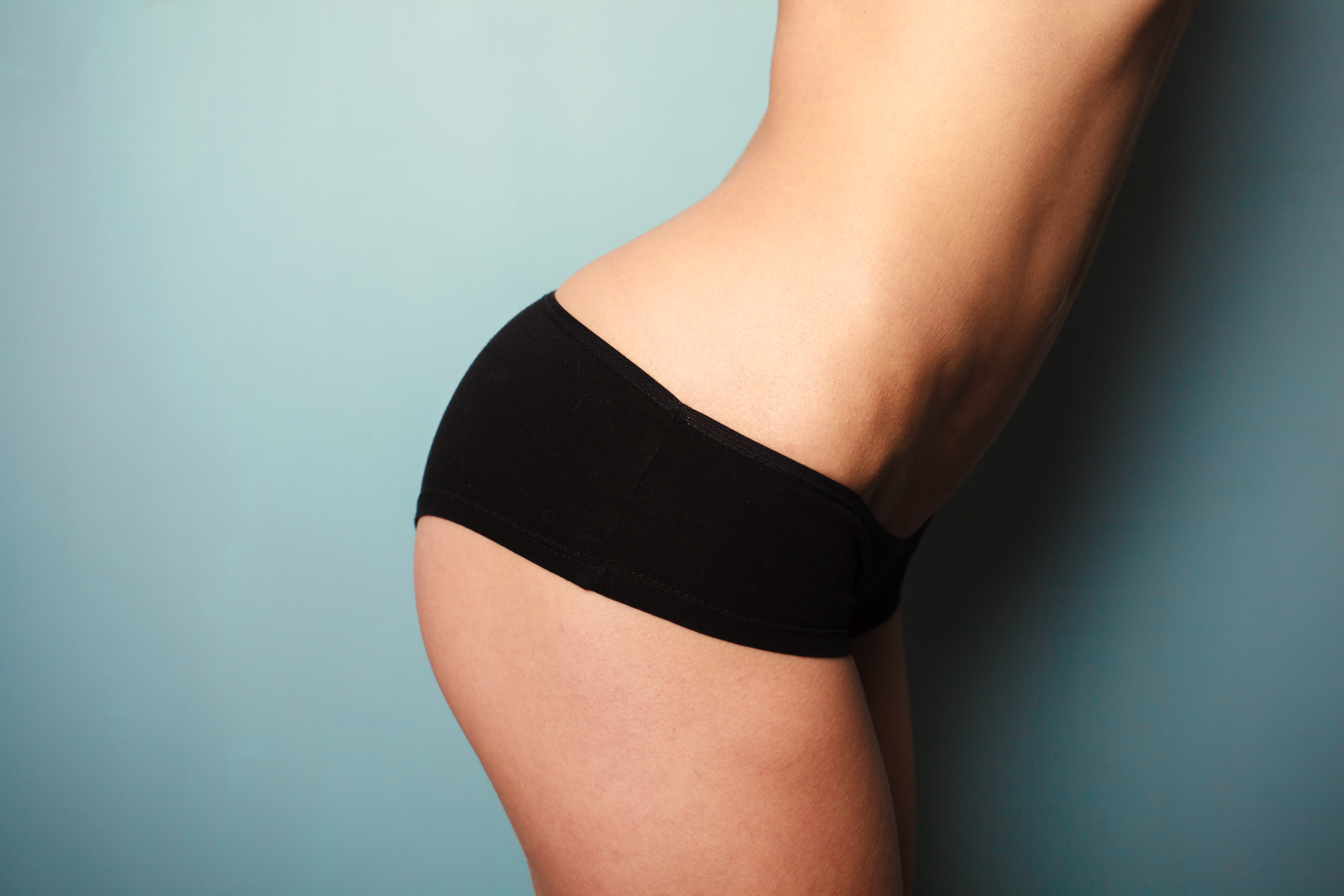
First, you should be at or near your goal weight. For patients losing weight with medications such as Ozempic, Dr. Francisco Sanchez-Navarro, MD recommends being within 10 to 20 pounds of your ideal weight before surgery. He also advises stopping the medication two weeks before surgery.
Second, your weight should hold steady for a period of months. Many patients find that about six months of stable weight gives a reliable starting point.
Third, your overall health should be in good shape. Long periods of weight loss can affect nutrition. Eating enough protein and following a balanced diet helps prepare your body for surgery and recovery.
Weight loss surgery often leads to fast, dramatic changes. Most patients keep losing weight for a year or more after their procedure. Because of that, the waiting period is usually longer.
A common guideline is to wait 12 to 18 months after bariatric surgery. By then, most patients have reached a plateau, and their weight has started to level off. Their eating habits are also more settled.
Every patient’s path is different. Some reach their goal sooner, and some take longer. The key is not the date on the calendar. It is whether your weight has stopped dropping and stayed steady. Dr. Francisco Sanchez-Navarro, MD will look at your weight history and your current tissue to help decide when surgery makes sense for you.
Loose skin after major weight loss is common. Exercise can build muscle underneath, but it cannot shrink skin that has been stretched for years.
You may be ready to consider skin removal surgery when:
Your weight has been stable for several months.
You are at or close to your goal weight.
Loose skin bothers you during exercise, daily activity or when choosing clothes.
Skin folds cause irritation or make hygiene harder.
You want your outside shape to match the weight you have lost.
Many patients come to our office asking about loose skin on more than one area. Common concerns include the upper arms, thighs, stomach and breasts. Others want a 360 approach that addresses loose skin on both the upper and lower body.
A body lift is one of several options. The right plan depends on where your loose skin sits and how much there is. Procedures we offer for patients after weight loss include:
Body lift. Removes sagging tissue around the lower body to reshape the trunk after major weight loss.
Extended tummy tuck. Removes extra fat and skin from the abdomen and can reach toward the flanks.
Panniculectomy. Removes the hanging apron of skin on the lower abdomen.
Arm lift. Addresses loose skin on the upper arms.
Thigh lift. Tightens loose skin on the thighs.
Breast lift. Raises and reshapes breasts that have lost volume or sagged.
Male procedures. Some male patients combine a male tummy tuck, gynecomastia correction and arm lift after significant weight loss.
Weight loss also changes the face and buttocks. Some patients notice their face descending or their buttocks looking deflated. Options such as a facelift, fat grafting or a Brazillian Butt Lift can address these changes.
Some patients combine several procedures. Others stage them over time. Dr. Francisco Sanchez-Navarro, MD will help you decide which approach fits your goals and your health.
Knowing how long you should wait after weight loss for a body lift is only part of the decision. Your life outside of surgery matters too. Keep these points in mind:
Your weight goals. If you plan to lose more weight, it is usually wise to finish first. Surgery works as the final step in your weight loss journey.
Medications. If you take a weight loss medication such as Ozempic, talk with Dr. Francisco Sanchez-Navarro, MD about when to stop. His guidance is to stop two weeks before surgery.
Recovery time. A body lift needs time off from work and normal routines. Pick a time when you can rest and follow your recovery plan.
Support at home. Having someone to help you during the first days of recovery makes the process easier.
Future plans. Women who plan to become pregnant may want to wait, since pregnancy can stretch the skin again.
Realistic expectations. A body lift reshapes your body after weight loss. It is a contouring procedure, not a way to lose weight. Clear expectations help you feel good about your results.
During a consultation, Dr. Francisco Sanchez-Navarro, MD reviews your weight history, health and goals. You leave knowing which procedures fit your needs and when it makes sense to move forward. You can learn more about Plastic surgeon before your visit.
So, How Long Should You Wait After Weight Loss for a Body Lift? For most patients, the answer is once your weight has stayed stable for several months and you are close to your goal. After bariatric surgery, that often means 12 to 18 months. If you use medications such as Ozempic, Dr. Francisco Sanchez-Navarro, MD recommends being within 10 to 20 pounds of your ideal weight and stopping the medication two weeks before surgery. Waiting until your body settles helps your results reflect the weight you worked hard to lose.