Mini Tummy Tuck vs Full Tummy Tuck: Which Procedure Is Right for You?

Understanding Tummy Tuck Procedures
A tummy tuck, medically known as abdominoplasty, is a surgical procedure designed to improve the shape and tone of the abdomen. It typically involves removing excess skin and fat and, when necessary, tightening the underlying muscles.
There are two main approaches: the mini tummy tuck and the full tummy tuck. Both aim to create a smoother abdominal contour, but they differ significantly in scope, incision length, recovery time, and overall results. Understanding how they work is the first step in choosing the right option.
What Is a Mini Tummy Tuck (Mini Abdominoplasty)?
A mini abdominoplasty focuses on the area below the navel. It is often chosen by individuals who are close to their ideal weight but struggle with a small “pooch” or mild sagging skin in the lower abdomen that hasn’t responded to diet or exercise.
This procedure involves a shorter incision, usually about the length of a C-section scar. The surgeon removes a limited amount of skin and fat and may tighten the lower portion of the abdominal muscles if needed.
A mini tummy tuck does not reposition the navel, and it does not address concerns above the belly button. Because of its limited scope, recovery is typically faster than with a full tummy tuck.
What Is a Full Tummy Tuck?
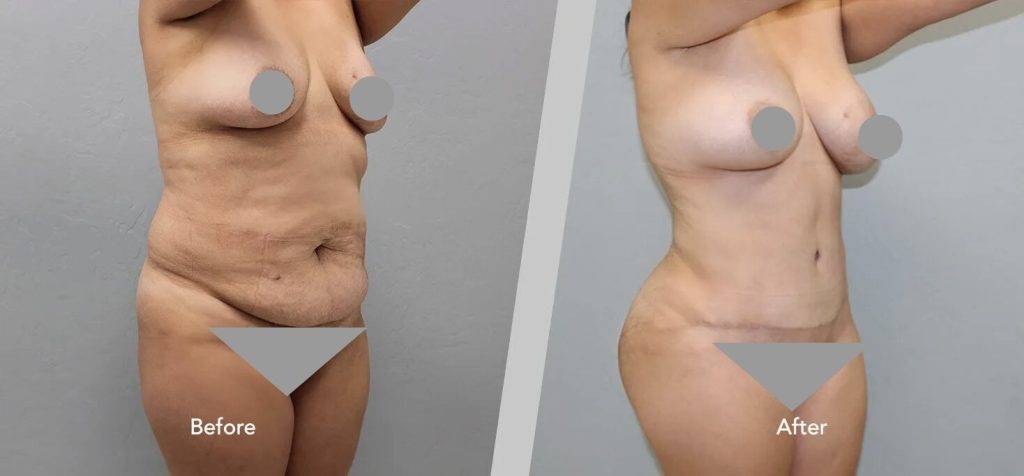
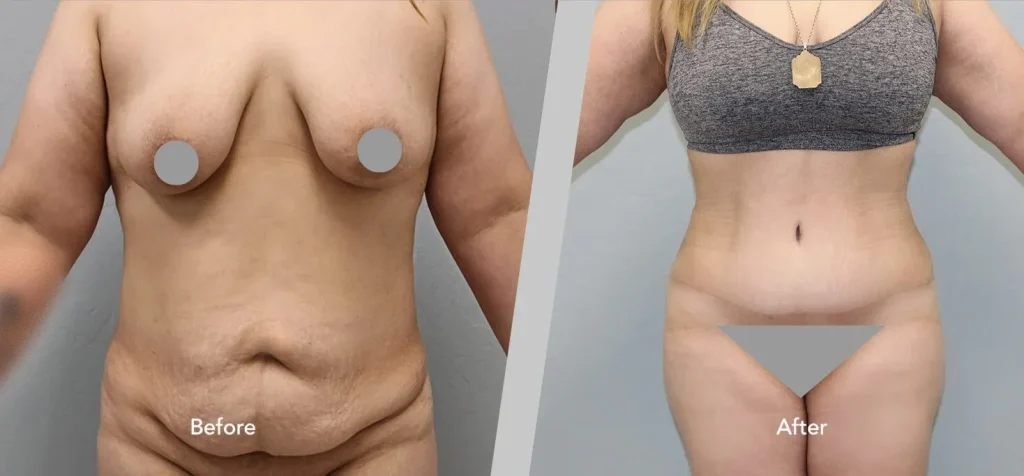
A full tummy tuck addresses the entire abdominal area, from just below the chest down to the pubic region. It is commonly recommended for people who have experienced significant weight loss or pregnancy-related changes.
This procedure involves a longer incision, removal of more excess skin and fat, and comprehensive muscle repair. The navel is repositioned to maintain a natural appearance after the skin is tightened.
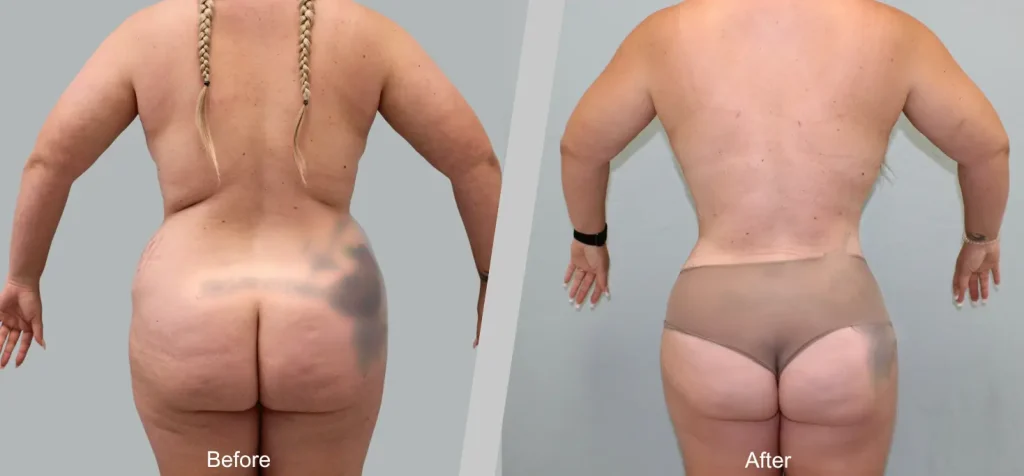
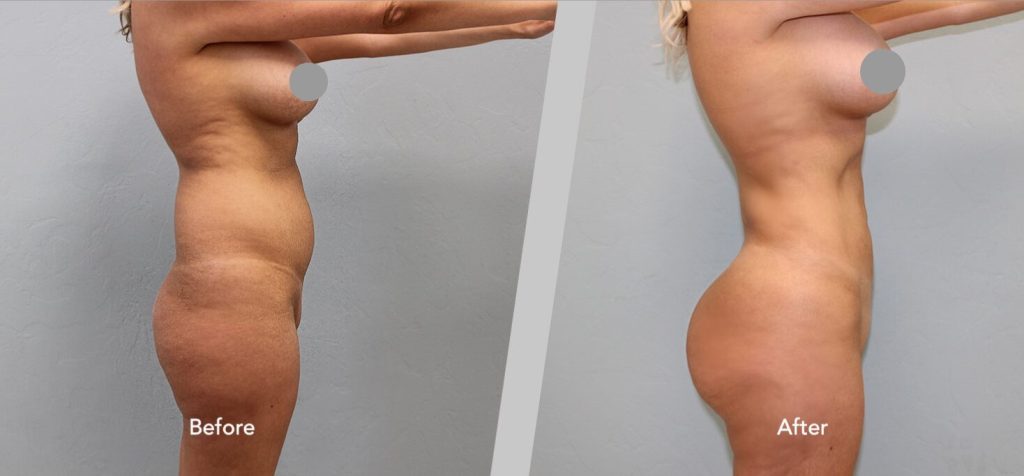
A full tummy tuck offers more dramatic and comprehensive results, but it also requires a longer recovery period and more extensive surgical planning.
Abdominal Muscles and Core Repair
One of the most important differences between the two procedures lies in how they treat the abdominal muscles. Pregnancy, weight fluctuations, and aging can cause these muscles to separate, a condition often referred to as diastasis recti.
Mini tummy tuck
May tighten only the lower abdominal muscles
Suitable for mild muscle laxity
Full tummy tuck
Repairs muscle separation from top to bottom
Ideal for moderate to severe muscle weakness or bulging
If core strength and overall abdominal firmness are major concerns, the extent of muscle repair needed will heavily influence the choice of procedure.
Loose Skin and Fat Removal
The amount and location of loose skin play a major role in determining which tummy tuck is appropriate.
A mini tummy tuck targets skin laxity below the navel only. It works well when excess skin is minimal and localized. However, it will not correct sagging skin above the belly button.
A full tummy tuck removes a larger amount of skin from both the upper and lower abdomen, creating a smoother appearance across the entire midsection. This makes it the better option for those with significant skin redundancy.
The Role of the Belly Button
The belly button is an important aesthetic landmark, and how it is handled varies by procedure.
- In a mini tummy tuck, the navel remains in its original position.
- In a full tummy tuck, the navel is repositioned after excess skin is removed.
People with stretched or distorted belly buttons, often due to pregnancy, usually benefit more from a full tummy tuck, as it allows for a more natural-looking result.
Key Differences Between a Mini and Full Tummy Tuck
Understanding the key differences between a mini and a full tummy tuck can simplify decision-making:
Treatment area
Mini: lower abdomen only
Full: entire abdominal region
Incision length
Mini: shorter, lower incision
Full: longer incision across the lower abdomen
Muscle repair
Mini: limited or none
Full: comprehensive tightening
Belly button
Mini: unchanged
Full: repositioned
Recovery
Mini: generally shorter
Full: longer and more involved
These distinctions help clarify why one option may be more suitable than the other based on individual anatomy and goals.
Recovery and Downtime Expectations
Recovery time is often a deciding factor for many people. A mini tummy tuck usually allows for a quicker return to daily activities, often within one to two weeks, depending on the individual.
A full tummy tuck typically requires several weeks of restricted activity, especially when muscle repair is involved. Swelling and tightness may last longer, and patients are usually advised to avoid strenuous exercise for a longer period.
While recovery differs, following post-operative instructions closely is essential for optimal healing in both cases.
Cost Comparison
A cost comparison reveals another practical difference between the two options. A mini tummy tuck generally costs less because it is a shorter, less complex procedure that may require less operating time and anesthesia.
A full tummy tuck is more expensive due to:
Longer surgical time
More extensive muscle repair
Increased facility and anesthesia fees
It’s important to remember that cost should never be the sole deciding factor. The goal is to choose the procedure that effectively addresses your concerns and delivers lasting results.
Choosing the Right Board-Certified Plastic Surgeon
Selecting a qualified board-certified plastic surgeon is just as important as choosing the procedure itself. Board certification indicates that the surgeon has undergone rigorous training and adheres to high safety and ethical standards.
During a consultation, a skilled surgeon will:
Evaluate your anatomy and skin quality
Discuss your goals and expectations
Recommend the procedure that best matches your needs
This personalized guidance helps ensure both safety and satisfaction with the final outcome.
Who Is a Good Candidate For Each Procedure?
A mini tummy tuck is often ideal for individuals who:
Are close to their goal weight
Have mild lower abdominal skin laxity
Do not need extensive muscle repair
A full tummy tuck may be better for those who:
Have significant loose skin above and below the navel
Experience abdominal muscle separation
Want comprehensive contouring results
Your lifestyle, health status, and long-term goals all factor into candidacy.
Final Thoughts
The decision between mini tummy tuck vs full tummy tuck surgery ultimately depends on the extent of your concerns and the areas requiring correction. Mini tummy tuck patients who have concerns limited to below the bikini line, minimal excess fat, and good muscle tone in the upper abdomen will achieve excellent results with the less invasive option. However, if you’re dealing with separated abdominal muscles, significant loose skin throughout the entire abdomen, or concerns that extend above the navel, a traditional tummy tuck will provide the comprehensive transformation you need. Consulting with an experienced plastic surgeon is essential to accurately assess your anatomy and determine which procedure aligns with your goals.
Ultimately, whether you choose a mini or traditional abdominoplasty, your tummy tuck depends on finding the right balance between your aesthetic desires, anatomical needs, and lifestyle considerations. Both procedures have helped countless individuals restore their confidence and achieve a firmer, more contoured midsection. By partnering with a qualified surgeon who understands your unique situation and can recommend the most appropriate approach, you’ll be well on your way to achieving the results you’ve been hoping for and enjoying a renewed sense of confidence in your appearance.