How Does a Breast Lift Work?
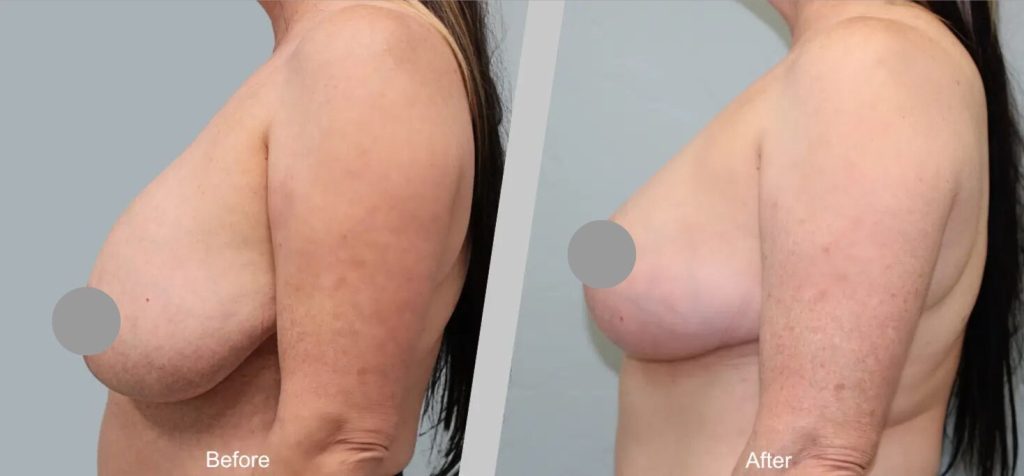
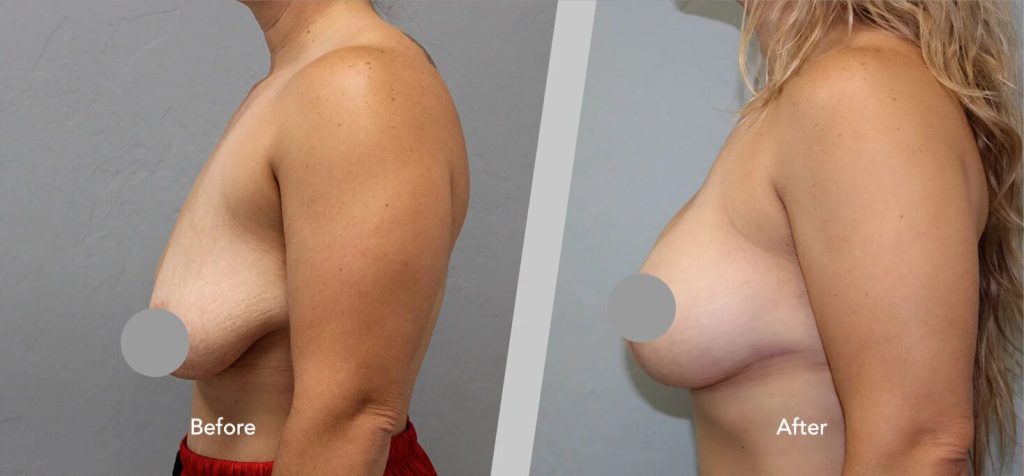
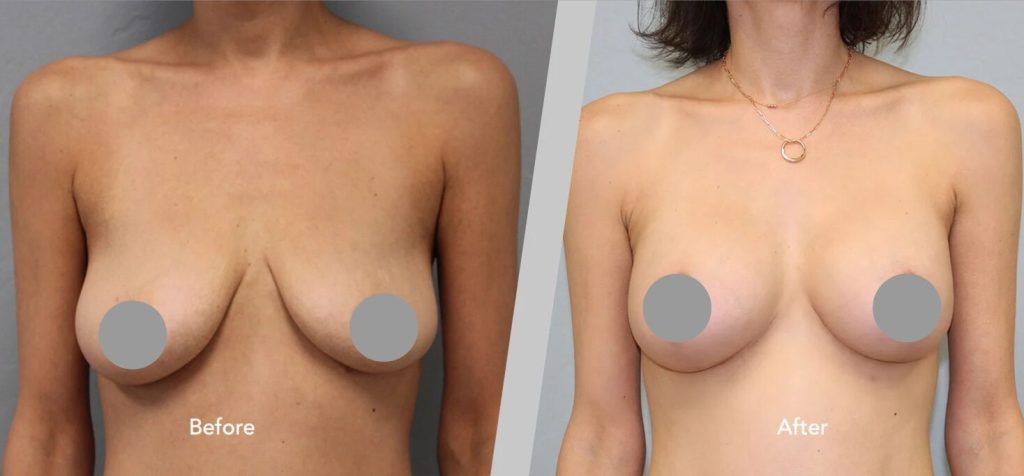
If you’ve noticed your breasts losing their youthful position over time, you’re not alone – and you may be wondering about your options for restoring a more elevated appearance. A breast lift, medically known as mastopexy, is a surgical procedure that raises and reshapes sagging breasts by removing excess skin and tightening the surrounding tissue to support a more youthful breast contour. The surgeon repositions the nipple and areola to a more aesthetically pleasing location while creating a perkier breast profile without necessarily changing the breast size.
If you’re wondering, “How does a breast lift work?” this post will provide clear answers. It can help you make an informed decision about whether this procedure is right for you. Let’s explore the mechanics, techniques, and expectations surrounding this popular cosmetic surgery.

What Is a Breast Lift (Mastopexy)?
A breast lift is a cosmetic surgical procedure designed specifically to address breast ptosis, which is the medical term for breast sagging. Over time, factors like pregnancy, breastfeeding, weight fluctuations, gravity, and natural aging cause the skin to lose elasticity and the breast tissue to descend on the chest wall.
Unlike breast augmentation that adds volume through implants, mastopexy focuses on repositioning existing breast tissue to a higher location on the chest. The procedure involves removing stretched skin, reshaping the breast mound, and elevating the nipple-areola complex to create a more youthful appearance. Many women choose this surgery when their breasts have drooped to the point where the nipples point downward or rest below the breast fold.
The procedure can be performed alone or combined with breast augmentation for women who want both lift and increased volume. The decision depends on your individual anatomy, aesthetic goals, and whether you’ve experienced volume loss in addition to sagging.
Understanding the Breast Lift Procedure
The breast lift procedure typically takes two to three hours under general anesthesia, though the exact duration depends on the complexity of your case and the technique used. Your surgeon will have marked your breasts while you’re standing before surgery to map out exactly where incisions will be made and how much tissue will be repositioned.
During the operation, the surgeon carefully removes excess skin that has stretched over time. The underlying breast tissue is then lifted and reshaped to create a more youthful contour. The nipple and areola are moved to a higher position on the breast mound – typically at or above the level of the breast crease – while maintaining their blood supply and nerve connections.
Here’s what happens step by step:
The surgeon makes the planned incisions based on the chosen technique
Excess skin is carefully removed from the lower portion of the breast
Breast tissue is lifted and reshaped, sometimes using internal sutures for long-term support
The nipple-areola complex is repositioned to a more aesthetically pleasing height
The remaining skin is pulled together and sutured to create the new breast shape
Surgical drains may be placed temporarily to prevent fluid buildup
Common Incision Types
One of the most important aspects of planning your surgery involves selecting the appropriate incision pattern. Different incision types are used depending on the degree of sagging, the amount of excess skin, and your desired outcome.
Periareolar (Donut) Lift: This technique involves a circular incision around the areola’s edge. It’s ideal for women with minimal sagging who need only modest lifting. The resulting scar is well-camouflaged along the border where the darker areola skin meets the lighter breast skin.
Vertical (Lollipop) Lift: This approach adds a vertical incision running from the bottom of the areola down to the breast crease. It provides more lifting power than the periareolar technique and works well for moderate sagging. The vertical scar typically fades well over time.
Anchor (Inverted-T) Lift: The most extensive option combines the vertical incision with a horizontal incision along the breast crease. This technique is reserved for significant sagging and allows the surgeon maximum flexibility in reshaping the breast. While it creates more scarring, it delivers the most dramatic lifting results.
Your surgeon will recommend the appropriate technique based on your breast size, degree of ptosis, skin quality, and aesthetic goals.
How Breast Lift Surgery Reshapes Your Breasts
Breast lift surgery accomplishes its dramatic results through a combination of tissue manipulation and skin reduction. The key is that your surgeon is working with your existing breast tissue, not adding or removing significant amounts of it (though small amounts may be removed for shaping purposes).
The internal breast tissue is lifted and often sutured into a higher position on the chest wall, creating an internal support system. Think of it as creating an internal “bra” made from your own tissue that helps maintain the lift over time. This is crucial because simply removing excess skin without addressing the underlying tissue would result in a less durable outcome.
The Importance of the Breast Crease
The breast crease, medically called the inframammary fold, plays a crucial role in breast lift outcomes. This natural fold, where the bottom of the breast meets the chest wall, serves as an important anatomical landmark and structural element.
During a lift, surgeons often tighten or recreate the breast crease to provide a stable foundation for the repositioned breast tissue. A well-defined breast crease helps maintain the lifted appearance and prevents the breast from sliding back down over time. In some cases, particularly with anchor-type incisions, the existing crease may be raised slightly to achieve better proportions with the newly lifted breast.
The crease also helps determine where the lowest point of the breast will sit, contributing to the overall shape and projection of the final result.
Breast Lift Surgery vs Breast Reduction
Many people confuse breast lifts with breast reduction, but these are distinct procedures with different goals, though they can be combined. Understanding the difference is essential when considering your options.
A breast lift primarily addresses positioning and shape without significantly changing breast size. The focus is on eliminating sagging and creating a perkier contour. While small amounts of tissue might be removed for shaping purposes, size reduction is not the primary goal.
Breast reduction, on the other hand, is designed to remove substantial amounts of breast tissue, fat, and skin to decrease the overall size and weight of the breasts. Women typically choose reduction surgery to address physical symptoms like back pain, neck pain, shoulder grooving from bra straps, and difficulty with exercise or finding properly fitting clothes.
Key differences include:
Primary goal: Lift focuses on position; reduction focuses on size
Tissue removed: Lift removes mainly skin; reduction removes significant tissue and fat
Ideal candidates: Lift suits those happy with size but not position; reduction suits those bothered by overly large breasts
Recovery time: Reduction often requires a slightly longer recovery due to more extensive tissue removal
That said, breast reduction procedures inherently include a lifting component, since removing tissue and reshaping the breast necessarily involves elevating the nipple and creating a perkier appearance. Many women with very large, sagging breasts benefit most from a reduction that simultaneously lifts.
What to Expect During Breast Lift Recovery
Breast lift recovery is a gradual process that requires patience and adherence to your surgeon’s post-operative instructions. Most patients find the recovery manageable, though you’ll need to plan for several weeks of modified activities.
Immediately after surgery, you’ll wake up wearing a surgical bra or compression garment that supports your breasts and minimizes swelling. You’ll experience soreness, tightness, and swelling – sensations similar to significant muscle soreness. Pain medication prescribed by your surgeon will help manage discomfort during the first few days.
During the first week, rest is paramount. You’ll need to sleep on your back with your upper body elevated to reduce swelling. Most patients can return to desk jobs within one to two weeks, though you must avoid lifting anything heavy or raising your arms above shoulder level.
The timeline typically progresses as follows:
Weeks 1-2: Focus on rest; shower carefully; attend follow-up appointments; swelling peaks
Weeks 2-4: Gradual return to light activities; continue wearing support garments; bruising fades
Weeks 4-6: Most swelling subsides; cleared for light exercise like walking
Months 2-3: Resume most normal activities; can typically return to unrestricted exercise
Months 6-12: Final results become apparent as incision lines mature and settle
Scarring is an inevitable part of any surgical procedure, but breast lift scars typically fade significantly over 12-18 months. Following your surgeon’s scar care recommendations – including silicone sheets, massage, and sun protection – can optimize healing and minimize scar visibility.
Is a Breast Lift Right for You?
A breast lift can be life-changing for women bothered by sagging breasts, restoring confidence and creating a more youthful silhouette. The procedure works by removing excess skin, reshaping breast tissue, and repositioning the nipple-areola complex to create a perkier appearance that better matches how you feel inside.
The best candidates are healthy non-smokers with realistic expectations who understand both the benefits and limitations of the procedure. If you’re considering a breast lift, schedule consultations with board-certified plastic surgeons who can evaluate your anatomy, discuss your goals, and recommend the most appropriate technique for your situation. With proper planning and skilled execution, a breast lift can help you achieve the breast appearance you’ve been hoping for.
Final Thoughts
Breast lift surgery is a proven plastic surgery solution for addressing excess breast skin and restoring a more youthful breast size and shape. This outpatient procedure can make your breasts firmer and higher on your chest, delivering dramatic breast lift results without necessarily requiring breast implants. While a breast lift won’t address breast cancer concerns or significantly create smaller breasts (that’s what reduction is for), it’s specifically designed to counteract the effects of gravity and aging on your newly shaped breasts. Understanding what the procedure can and cannot accomplish is essential for setting realistic expectations.
Before moving forward with any breast surgery, your surgeon will thoroughly review your medical history to ensure you’re a good candidate and to minimize risks like blood clots and other complications. During recovery, you’ll likely have surgical tape or special dressings protecting your incisions as they heal. This breast lift guide should serve as a starting point for your research, but nothing replaces a personal consultation with a board-certified plastic surgeon who can assess your unique anatomy and goals. With the right surgeon and realistic expectations, a breast lift can help you achieve the youthful appearance you desire.