Facelift Recovery Timeline: How Long Healing Takes and When Results Look Natural
You’ve done your research, chosen your surgeon, and decided to move forward. Now the big question is hanging over you: “How long is this going to take?” If you’re planning around a facelift recovery timeline, here’s what you can count on – most patients feel comfortable going out in public within two to three weeks, and results look genuinely natural by the three-to-six-month mark. The process is gradual, but it moves faster than most people expect.
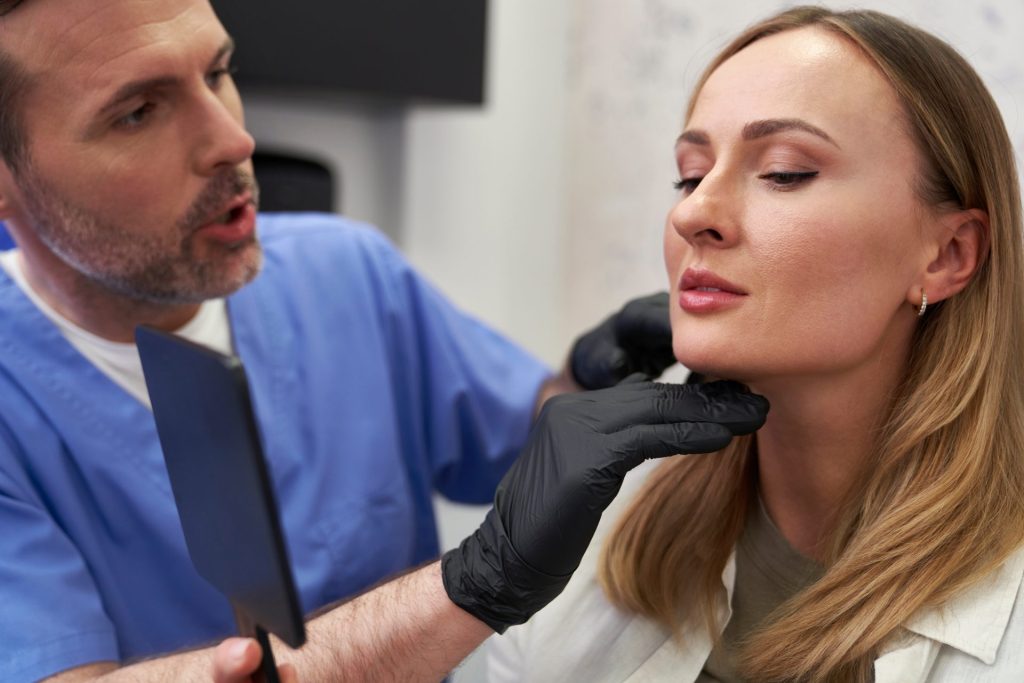
What to Expect After Facelift Surgery
The days right after facelift surgery can feel a little intimidating. Your face will be swollen, bruised, and wrapped in light bandages or a supportive garment. You might feel tight, tender, or just a bit unlike yourself. That’s completely normal and temporary.
Most people are surprised to find that the discomfort is manageable. Prescription medication handles pain in the first few days, and many patients describe the feeling as pressure rather than sharp pain. You’ll have drains placed near the incisions for the first day or two to prevent fluid buildup, and those are typically removed at your first follow-up visit, which feels like a milestone.
Rest is your job during this phase. Keep your head elevated (even while sleeping), avoid bending or straining, and let the people around you help. This is not the time to push through.
Understanding the Facelift Procedure and Why Timing Matters
To understand recovery, it helps to understand what happens during the facelift procedure itself. A facelift involves lifting and repositioning the underlying facial tissues, removing excess skin, and re-draping the skin for a more refreshed look. Incisions are carefully placed along the hairline and around the ears to keep them as hidden as possible.
Because the procedure works at multiple tissue layers, your body needs time to heal from the inside out. That’s why the timeline isn’t measured in days – it’s measured in weeks and months. Swelling doesn’t follow a straight downward path; it tends to peak around day 2 or 3, then slowly subsides. One side of your face may look better than the other for a while. That’s normal, not a sign that something went wrong.
Your Facelift Healing Timeline Week by Week
Here’s a general picture of what healing looks like over time. Keep in mind that everyone’s body is different, and your surgeon’s specific guidance always takes priority.
Initial Healing: Days 1–14
This is the phase most patients dread, but it goes faster than expected.
- Days 1–3: Swelling and bruising peak. You’ll rest at home with your head elevated. Drains are removed, and you’ll likely have a follow-up appointment.
- Days 4–7: Bruising begins to yellow and fade. Sutures are usually removed around day five to seven. Many patients start to feel like themselves again.
- Days 7–10: Most people feel well enough to move around the house comfortably and take short, gentle walks.
- Days 10–14: Bruising is significantly faded. Many patients feel comfortable running errands or working from home, though they may use makeup to cover any remaining discoloration.
By the end of week two, most people are surprised by how far they’ve come.
Weeks 3–6
This is when life starts to return to normal. Most patients feel comfortable being seen in public. Residual swelling continues to resolve – gradually, subtly, often in ways only you and your surgeon will notice. You can typically return to light work and social activities. Strenuous exercise and heavy lifting should still wait.
Weeks 6–12
The majority of visible swelling is gone. Your reflection starts to look like you, just a more refreshed version. Numbness or tightness in certain areas may linger, but this continues to improve.
Deep Plane Facelift Recovery: What Makes It Different
If you’re having a deep plane facelift, you may have heard that recovery is a bit more involved. That’s true, but the payoff is significant. The deep plane technique goes deeper into the facial structure, repositioning the muscle and tissue layer beneath the skin rather than just the skin itself. This delivers more dramatic, longer-lasting results and a more natural appearance.
Recovery from a deep plane facelift follows the same general arc as a standard facelift, but swelling tends to be more pronounced in the first week and may take slightly longer to fully resolve. Most deep plane patients return to work during weeks two to three and see their full results by the four-to-six-month mark.
When You'll See Final Results
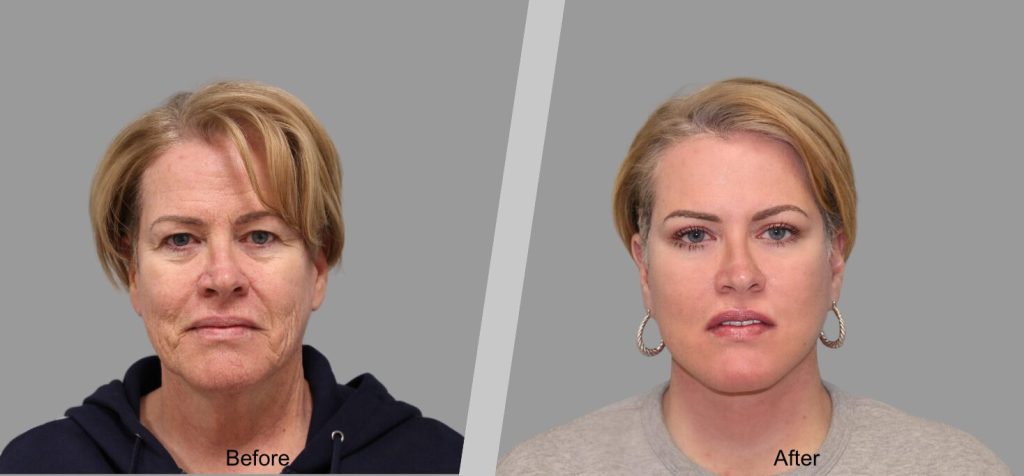
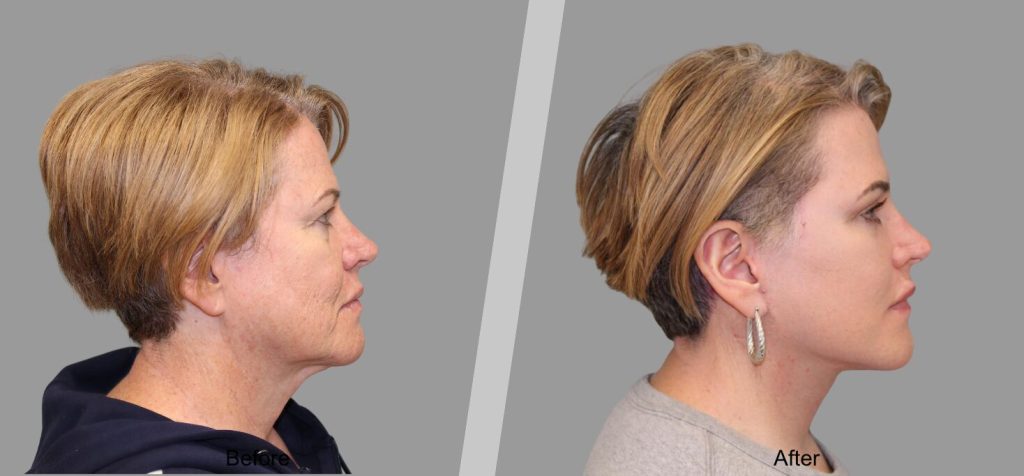
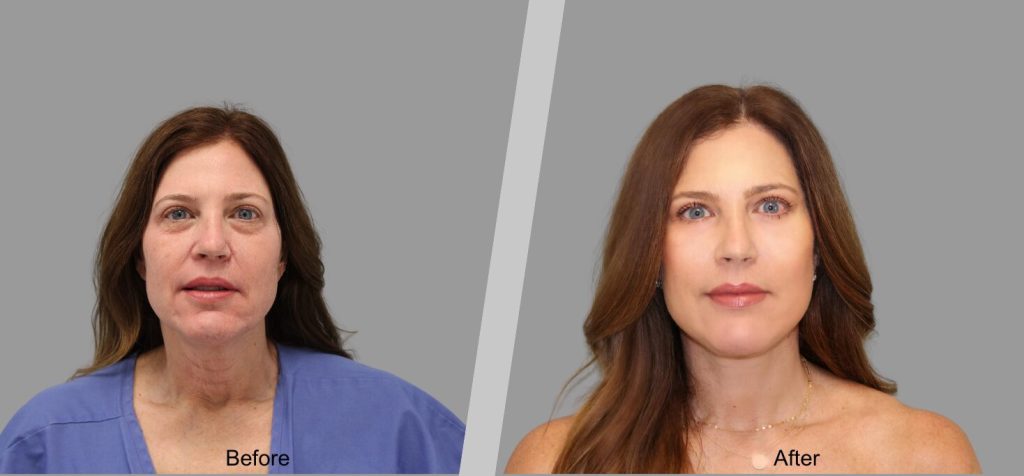
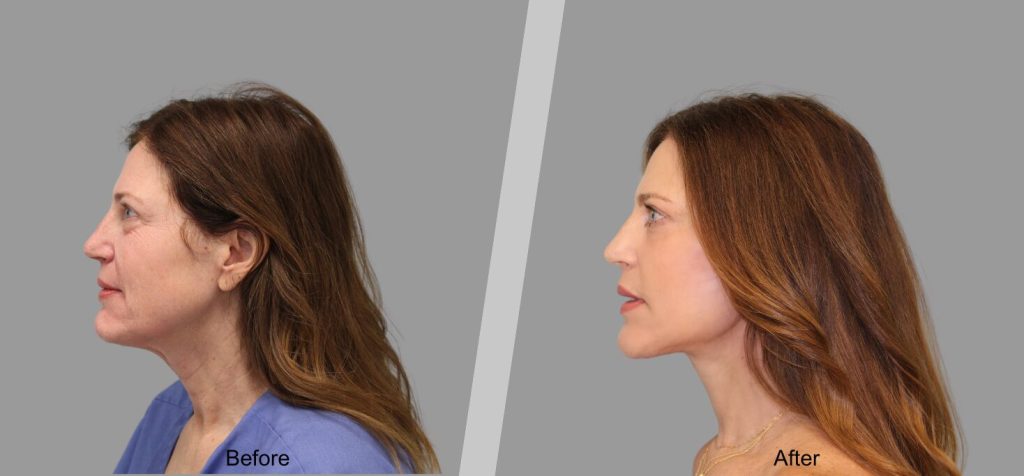
Patience is genuinely the hardest part of this process. You’ll look better at two weeks than you did at day three. You’ll look better at two months than at two weeks. But the final, settled, fully natural results come in at around three to six months post-surgery.
Here’s why: even after visible bruising and swelling resolve, subtle internal healing continues. Scar tissue is softening. Nerve sensation is returning. Skin is redraping. All of this takes time, and it happens quietly beneath the surface.
Tips to Minimize Scarring After Your Procedure
One of the most common concerns patients have is about scarring. The good news is that facelift incisions are strategically placed to minimize scarring and stay as hidden as possible – tucked into the hairline, behind the ears, and in the natural creases around the face.
To help your scars heal as smoothly as possible:
- Keep incisions out of the sun for at least a year. UV exposure can darken scars permanently. Use SPF 30 or higher whenever you go outside.
- Use silicone gel or sheets once your surgeon gives the green light. These are clinically proven to flatten and fade scars.
- Don’t smoke. Smoking significantly impairs healing and increases the risk of complications and visible scarring.
- Follow your surgeon’s wound care instructions exactly. Consistency in cleaning and moisturizing makes a real difference.
- Be patient. Scars undergo a maturation process that can take up to a year. What looks pink and slightly raised at three months often becomes barely visible by twelve.
Working With Your Facial Plastic Surgeon Throughout Recovery
Recovery isn’t something you navigate alone. Your facial plastic surgeon and their team are your partners throughout this process, and staying in close communication is one of the most important things you can do.
Attend every follow-up appointment, even if you feel fine. These visits give your surgeon the chance to monitor healing, catch anything early, and reassure you that what you’re experiencing is normal. Don’t hesitate to call the office if something concerns you. Experienced surgical teams have seen every variation of normal, and a quick call can save you hours of unnecessary worry.
Why Facial Plastic Surgery Is Worth the Wait
Facial plastic surgery is one of the most personal decisions a person can make, and recovery is the bridge between the procedure and the outcome you’ve been imagining. It asks for your patience, your rest, and your trust. In return, it delivers results that can genuinely last a decade or more.
The weeks of healing are temporary. The results are not.
If you’re in the middle of recovery right now and wondering if it’s all going according to plan, it probably is. Trust the process, follow your surgeon’s guidance, and give your body the time it needs. The face looking back at you in six months will make it all worthwhile.
Schedule Your Facelift at Sanchez-Navarro Plastic Surgery
If you’re ready to take the next step, the team at Sanchez-Navarro Plastic Surgery is here to guide you through every stage – from your very first consultation to the final stages of your recovery process. We specialize in a full range of facial rejuvenation procedures, including facelift, neck lift, and other targeted facial procedures designed to help you look as vibrant as you feel. Our approach to cosmetic surgery is built around precision and care, using advanced techniques that minimize tissue trauma and support smoother healing. Whether your goal is subtle refinement or a more comprehensive transformation, we’ll create a personalized plan to help you achieve a natural, refreshed appearance that lasts.
Contact our office today to schedule your consultation. Your best self is closer than you think.
The Bottom Line
A facelift is a transformative surgical procedure that requires time, patience, and commitment. The first few weeks are the most demanding, as surgical trauma begins to resolve and patients begin reclaiming their normal activities little by little. Following your post-operative instructions carefully makes an enormous difference: keeping your head elevated to reduce swelling, protecting incision sites from sun exposure, and taking prescription pain medication only as directed all contribute to smoother incision healing and better long-term results. When slow healing feels discouraging, remember that progress rarely moves in a straight line, and that’s completely expected.
What facelift patients often don’t anticipate is the emotional recovery that runs alongside the physical one. The post-op weeks can bring moments of doubt, especially before swelling fully subsides and the results come into focus. But as the healing process continues and the mirror begins to reflect a more youthful appearance, most patients say the experience was entirely worth it.Minimize swelling, protect your skin, and trust that your body knows how to heal. Give it what it needs, and it will meet you on the other side.