Sanchez Navarro Plastic Surgery offers capsular contracture treatment in Tucson, helping patients restore comfort, symmetry, and confidence after breast implant complications. If your breasts feel tight, hardened, or painful, Dr. Francisco Sanchez-Navarro provides personalized surgical solutions in a state-accredited facility to address this common implant-related condition and help you feel like yourself again.

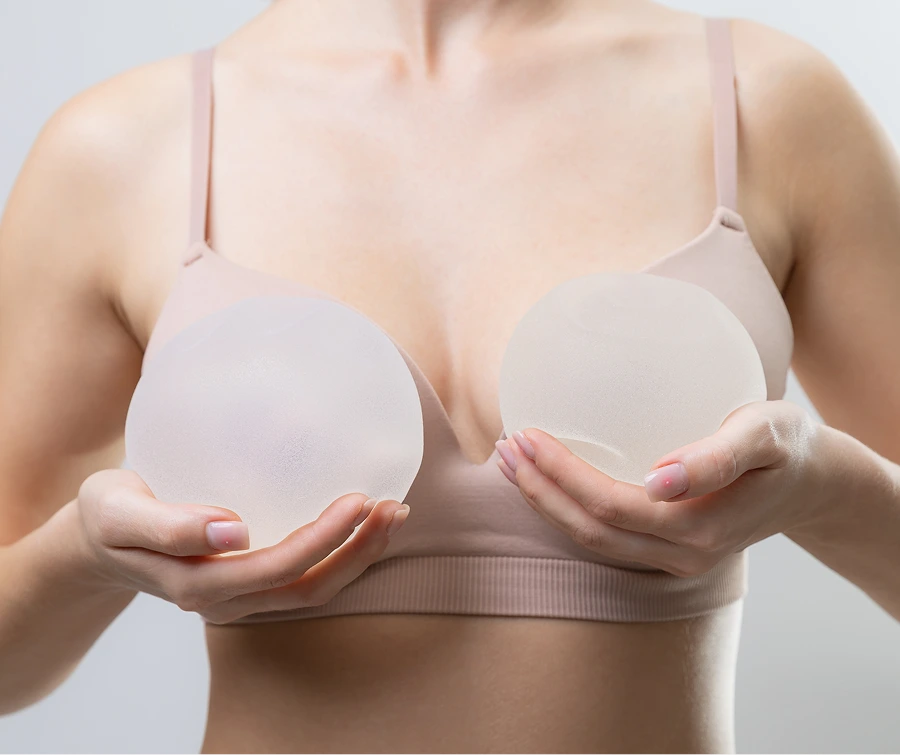

Capsular contracture is a condition that develops when the body’s natural scar tissue – called a capsule – forms around a breast implant and begins to tighten. Every patient who receives breast implants develops some degree of capsule formation; it is the body’s normal healing response to a foreign object. However, when this tissue contracts excessively, it can compress the implant, distorting the breast’s shape and creating significant discomfort.
The condition can occur months or even years after the initial breast augmentation. It may affect one or both breasts and can range from a subtle firmness to a visibly distorted, painful breast. Without treatment, capsular contracture tends to worsen over time, making early evaluation and intervention essential for the best possible outcome.
Capsular contracture is classified using the Baker Grading Scale, which helps surgeons assess severity and determine the most appropriate treatment path.
The breast looks and feels natural. The capsule is soft and flexible, and no intervention is needed.
The breast appears normal but feels slightly firm to the touch. Some patients notice mild tightness, though it may not be bothersome enough to seek treatment.
The breast feels noticeably firm and may begin to appear misshapen or asymmetrical. Discomfort is common at this stage, and most patients begin exploring treatment options.
The breast is hard, painful, and visibly distorted. The discomfort can affect daily activities. Surgical intervention is typically recommended at this stage.
The exact cause of capsular contracture is not fully understood, but several factors have been identified that may increase risk:
Low-grade bacterial contamination around the implant during surgery can trigger an inflammatory response that contributes to excessive scar tissue formation.
Post-surgical bleeding or fluid collection around the implant may increase the likelihood of capsule hardening.
Submuscular (under the muscle) placement is generally associated with lower contracture rates compared to subglandular placement.
A ruptured implant can trigger inflammation and excessive scar tissue formation.
Patients who have undergone radiation treatment to the chest area face an elevated risk.
Tobacco use impairs healing and can contribute to complications, including capsular contracture.
Individual healing patterns play a role, and some patients are simply more prone to excessive scar tissue formation.
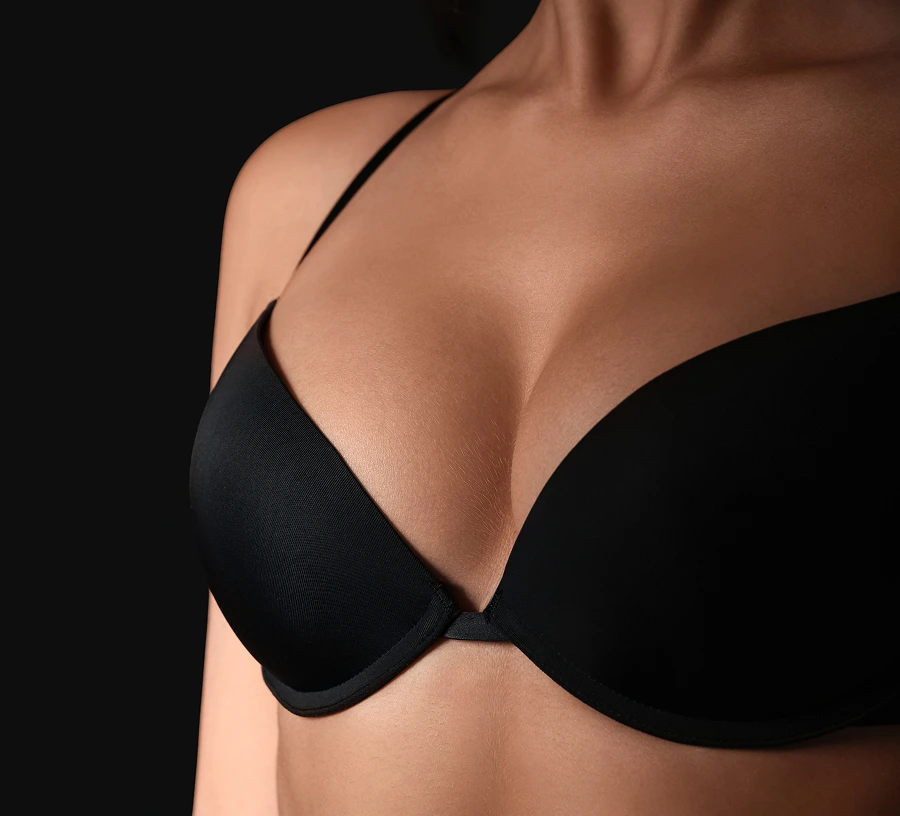
Treatment for capsular contracture depends on the severity, the patient’s symptoms, and their long-term aesthetic goals. Dr. Sanchez-Navarro evaluates each case individually to recommend the approach that offers the greatest relief and most satisfying outcome.
For early-stage capsular contracture (Baker Grade I or early Grade II), non-surgical strategies may help manage symptoms and slow progression:
Non-surgical approaches are most effective when capsular contracture is detected early. However, these methods do not remove the hardened scar tissue, and for Grade III and Grade IV cases, surgical intervention is generally necessary to achieve lasting improvement.
When capsular contracture has progressed beyond what conservative measures can address, breast revision surgery provides the most reliable path to correction.
The surgeon makes incisions in the hardened capsule to release the tightness, allowing the implant to move more freely and the breast to regain a natural shape.
The entire scar tissue capsule – or a portion of it – is removed along with the implant. A total capsulectomy is often preferred for Grade III and IV contracture, as it addresses the source of the problem directly. A partial capsulectomy may be appropriate depending on the individual case.
Many patients choose to have their implants replaced during the same procedure. Dr. Sanchez-Navarro can discuss options for different implant types, sizes, or placement positions that may reduce the risk of recurrence.
Some patients decide to remove their implants entirely. In these cases, a breast lift (mastopexy) can restore shape and position, helping achieve a comfortable and aesthetically pleasing result without new implants. A breast lift may also be performed simultaneously with implant replacement to optimize shape and position.
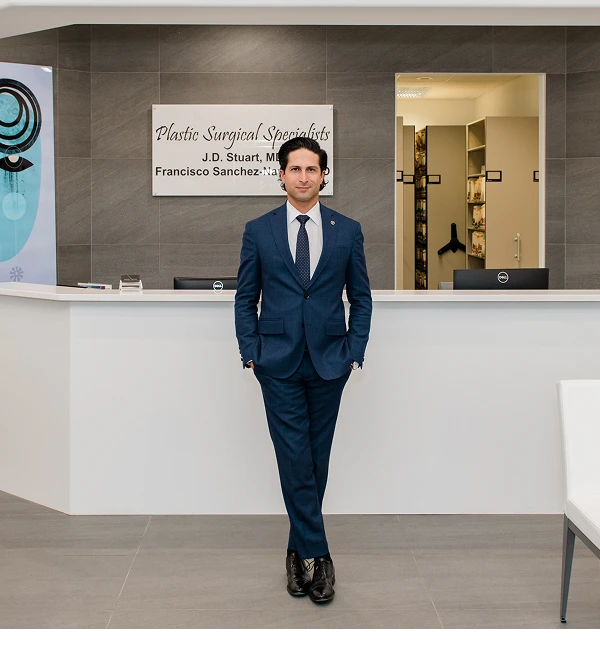
Your journey begins with a comprehensive consultation at Sanchez Navarro Plastic Surgery. During this visit, Dr. Sanchez-Navarro will examine your breasts, review your medical history and prior surgical records, and discuss your symptoms and aesthetic goals in detail. Imaging may be used to evaluate the condition of your implants and surrounding tissue.
Pre-Procedure Guidelines
On the day of your procedure, you will arrive at Dr. Sanchez-Navarro’s state-accredited surgical facility. Our team will guide you through the check-in process and prepare you for surgery.
The specific steps depend on the treatment plan developed during your consultation:
The procedure typically takes between 2 and 4 hours, depending on whether one or both breasts are treated and the complexity of the revision. Most patients return home the same day.

Managing Pain and Swelling
Dr. Sanchez-Navarro will prescribe a pain management plan tailored to your needs.
Activity Restrictions and Timeline
Most patients experience significant and lasting relief from capsular contracture following surgical treatment. Breasts typically feel softer, more natural, and more comfortable. While no procedure can guarantee that contracture will never recur, surgical techniques such as complete capsulectomy and changes in implant type or placement can substantially reduce the risk.
Regular follow-up visits with Dr. Sanchez-Navarro help monitor your results and ensure long-term breast health. Maintaining a stable weight, following post-operative instructions, and attending annual check-ups all contribute to the longevity of your outcome.

You may be a candidate for capsular contracture treatment if you experience:
Ideal candidates are also in good overall health, do not smoke (or are willing to quit before and after surgery), and have realistic expectations about the outcome.
Pain Relief: Alleviates the chronic pain, tightness, and discomfort caused by the hardened capsule, allowing you to move and rest comfortably.
Restored Breast Shape: Corrects distortion, asymmetry, and high-riding appearance, restoring a more natural breast contour.
Softer Feel: Replaces the firm feeling with a softer, more supple breast that feels more like natural tissue.
Renewed Confidence: Helps you feel confident and at ease in your body again, free from the worry and self-consciousness that often accompany this condition.
Capsular contracture treatment in Tucson, AZ, typically ranges from $5,000 to $12,000, depending on the surgical technique, whether implants are replaced, and the complexity of each individual case.
Pricing listed reflects general market ranges in the Tucson area and may not represent Dr. Sanchez-Navarro’s specific fees. Contact our office for a personalized quote during your consultation.
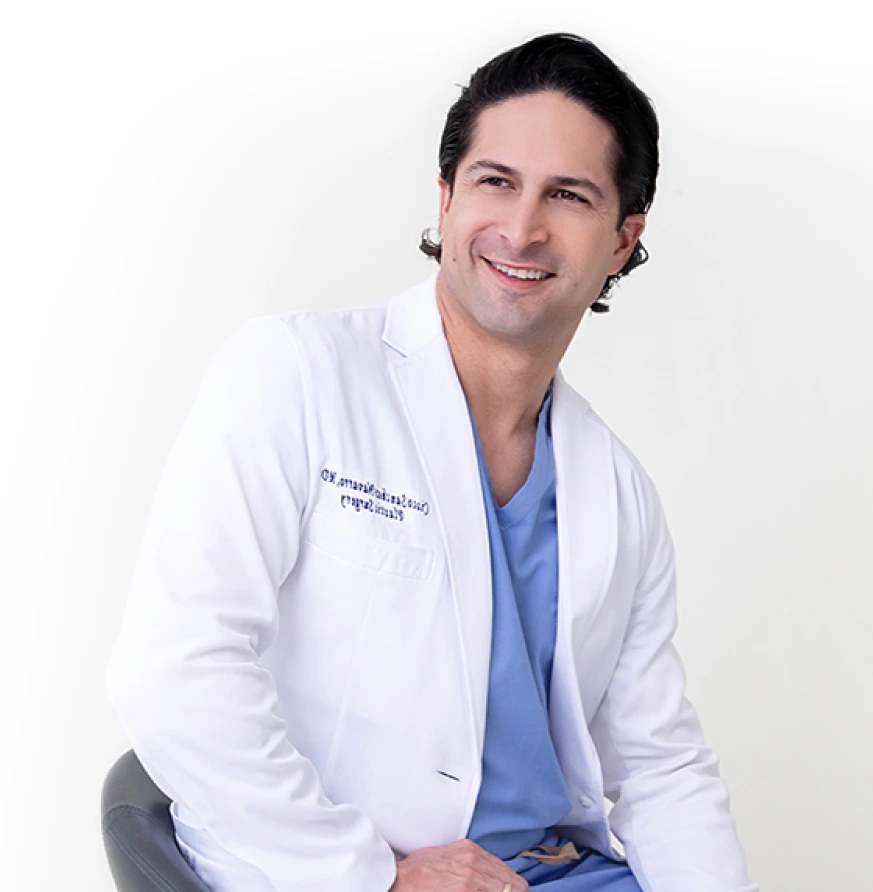
Dr. Francisco Sanchez-Navarro is a board-certified plastic surgeon with over 13 years of experience performing breast revision surgeries in Tucson, AZ. His practice is built around helping patients who are dealing with complications from prior breast surgeries, including capsular contracture, achieve results that restore both comfort and confidence.
Capsular contracture is one of the most common complications of breast augmentation, though its incidence has decreased with advancements in surgical techniques and implant technology.
In most cases, capsular contracture does not resolve without intervention. Mild cases (Grade II) may be managed conservatively, but moderate-to-severe cases typically require surgical correction for lasting relief.
It is best to schedule an evaluation as soon as you notice increasing firmness, pain, or changes in breast shape. Early assessment provides more treatment options and may prevent the condition from progressing.
While treatment is highly effective, there is a small chance of recurrence. Techniques such as total capsulectomy and implant pocket changes significantly reduce the likelihood. Following post-operative care instructions and attending follow-up appointments also help minimize this risk.
Yes. Capsular contracture can develop with both saline and silicone implants, as well as with smooth and textured surfaces. Certain factors may reduce risk, which Dr. Sanchez-Navarro will discuss with you.